
.png)
Title:
Why Solar Panels Were Never Designed for Roofs Like Ours
Writer:
Natassja Lindrea
Category:
Date
January 23, 2026

January 23, 2026
ARTICLE
Why Solar Panels Were Never Designed for Roofs Like Ours
Most solar systems were designed to be added on later. In Australia’s harsh conditions, that approach creates challenges many homeowners don’t see. This article explores why context matters, and why integrating solar into the roof changes how homes perform over time.
Most solar systems were designed to be added after a home is built.
They assume a roof is simply a platform. Something to mount onto, penetrate through, and work around. In many parts of the world, that assumption holds.
In Australia, it doesn’t.
Our homes face a unique combination of heat, UV exposure, wind, bushfire requirements, and building standards that place far greater demands on roofing systems than most people realise. When solar is treated as an add-on rather than part of the roof itself, those pressures compound.
Australian roofs work harder than most
Australian homes are exposed to some of the harshest conditions in the world
Extended heat loads, intense UV radiation, rapid temperature changes, high winds, heavy rain events, and bushfire risk all affect how roofs age and perform over time. Roofing materials here are expected to do more, and to last longer under stress.
This is why Australian building standards around roofing, fire performance, and weatherproofing are among the strictest globally.
Any system introduced onto a roof needs to account for that reality.
The problem with adding solar on top
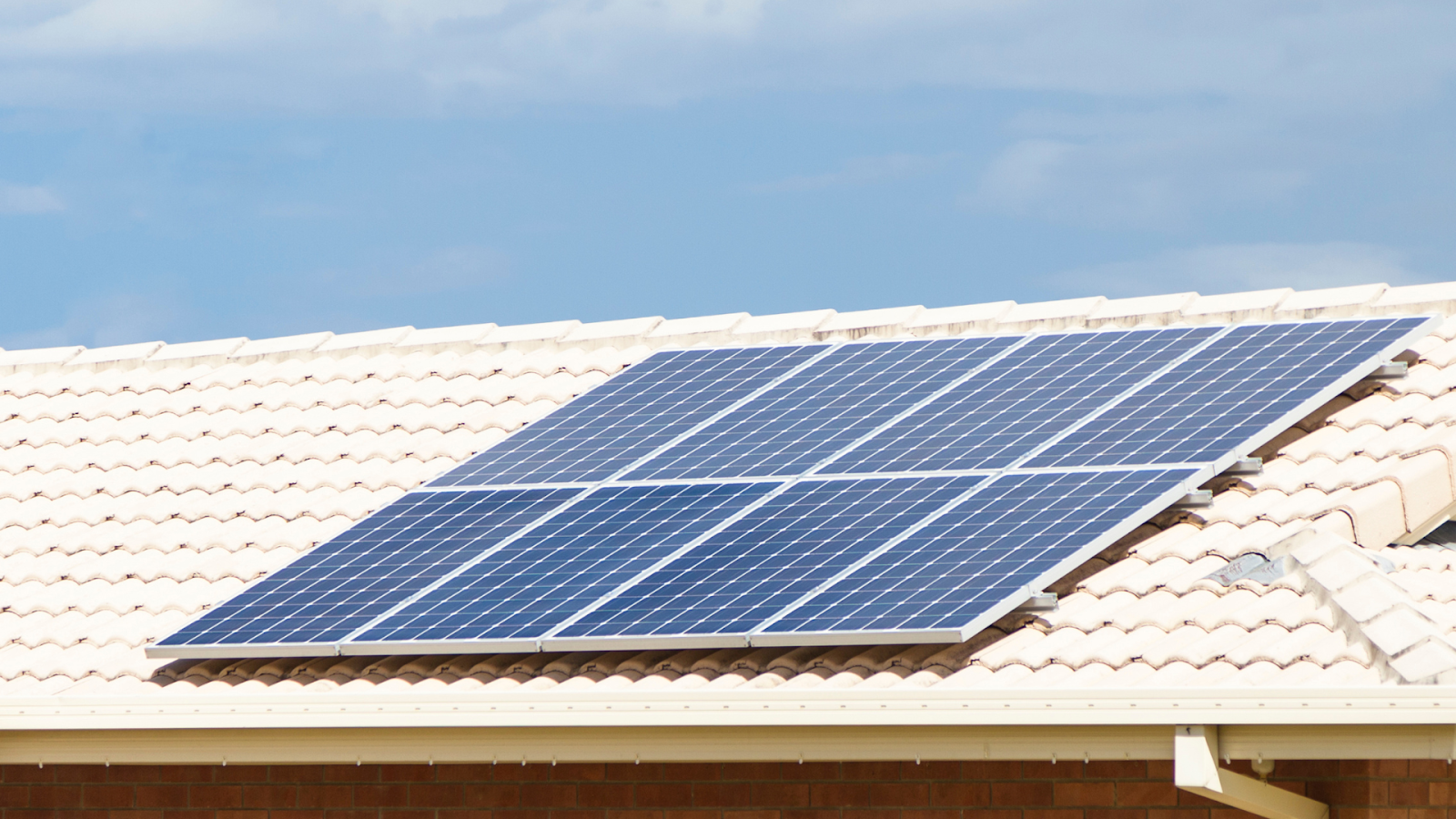
Traditional solar panels are mounted above the roof surface using brackets, rails, and penetrations. Roofing and solar are treated as two separate systems, often installed by different trades at different stages.
That separation creates challenges:
- Additional penetrations through the roof structure
- Disrupted water management paths
- Extra materials exposed to heat and UV
- Increased complexity at junctions and edges
- Increased uplift potential in high winds and storms
None of these issues are unsolvable. But they introduce risk, complexity, and long-term maintenance considerations that are rarely visible at the point of sale.
Why this approach persists
Solar panels weren’t designed with Australian roofing systems in mind. They were designed to be universal. The same panel can be shipped, mounted, and installed across many markets with minimal change.
That scalability is part of their success.
But it also means the roof is treated as a surface to adapt to, rather than a system to integrate with.
What changes when solar becomes part of the roof
Building-integrated solar takes a different approach.
Instead of mounting solar on top of a roof, the solar elements replace selected roof tiles and form part of the roof itself. Structure, waterproofing, and energy generation are resolved together.
This changes the conversation:
- Fewer layers and interfaces
- Continuous water management
- Materials designed to weather together
- A roof that looks and behaves like a roof while generating energy
From the street, the home looks unchanged. From a performance perspective, the roof is doing more than ever.
.png)
Why integrated solutions are still rare
True integration is harder.
It requires coordination across architecture, construction, roofing, and electrical systems. It demands compliance with multiple standards simultaneously. And it needs to perform as both a building material and an energy system over decades.
That complexity is why only a small number of companies operate in this space, and why integrated solar hasn’t been widely adopted yet.
Rethinking solar for Australian homes
As energy demands increase and building standards continue to evolve, the way we think about solar will need to change too.
In Australia especially, roofs aren’t just places to put technology. They’re critical building systems that protect homes, meet strict regulations, and endure extreme conditions year after year.
Designing solar as part of the roof isn’t about aesthetics alone. It’s about designing for context.
And in Australia, context changes everything.
Natassja Lindrea is the marketing and brand lead at Volt Solar Tiles, working at the intersection of design, construction, and energy. With a background spanning marketing, storytelling, and the built environment, her work focuses on translating complex technical ideas into clear, grounded insights for Australian homes. She writes about building-integrated solar, architectural decision-making, and why context matters when designing for local conditions.
.png)
Written By
