
.png)
Title:
What Makes a Solar Roof Truly Architectural?
Writer:
Natassja Lindrea
Category:
Solar Panels
Date
August 13, 2025

ARTICLE
August 13, 2025
What Makes a Solar Roof Truly Architectural?
A truly architectural solar roof is one that unites design and performance. Volt Solar Tiles replace traditional roofing and panels with a seamless, fully integrated system built for Australia’s climate. Combining architectural form, premium materials..
A heritage roof that can finally include solar
Ignificant responsibility. It protects, defines form, and completes the story of a building’s design. When done right, you barely notice it. The line between structure and sky feels effortless, resolved, deliberate. But the moment solar panels are added to that surface, something changes. The architecture loses its language. It stops whispering and starts shouting.
For years, Australia’s solar industry has been driven by performance, not proportion. Efficiency charts and watt ratings led the conversation, not materials, colour, or context. The result? Rows of panels scattered across rooftops that once had integrity. They work, but they don’t belong. And that’s the problem Volt set out to solve.
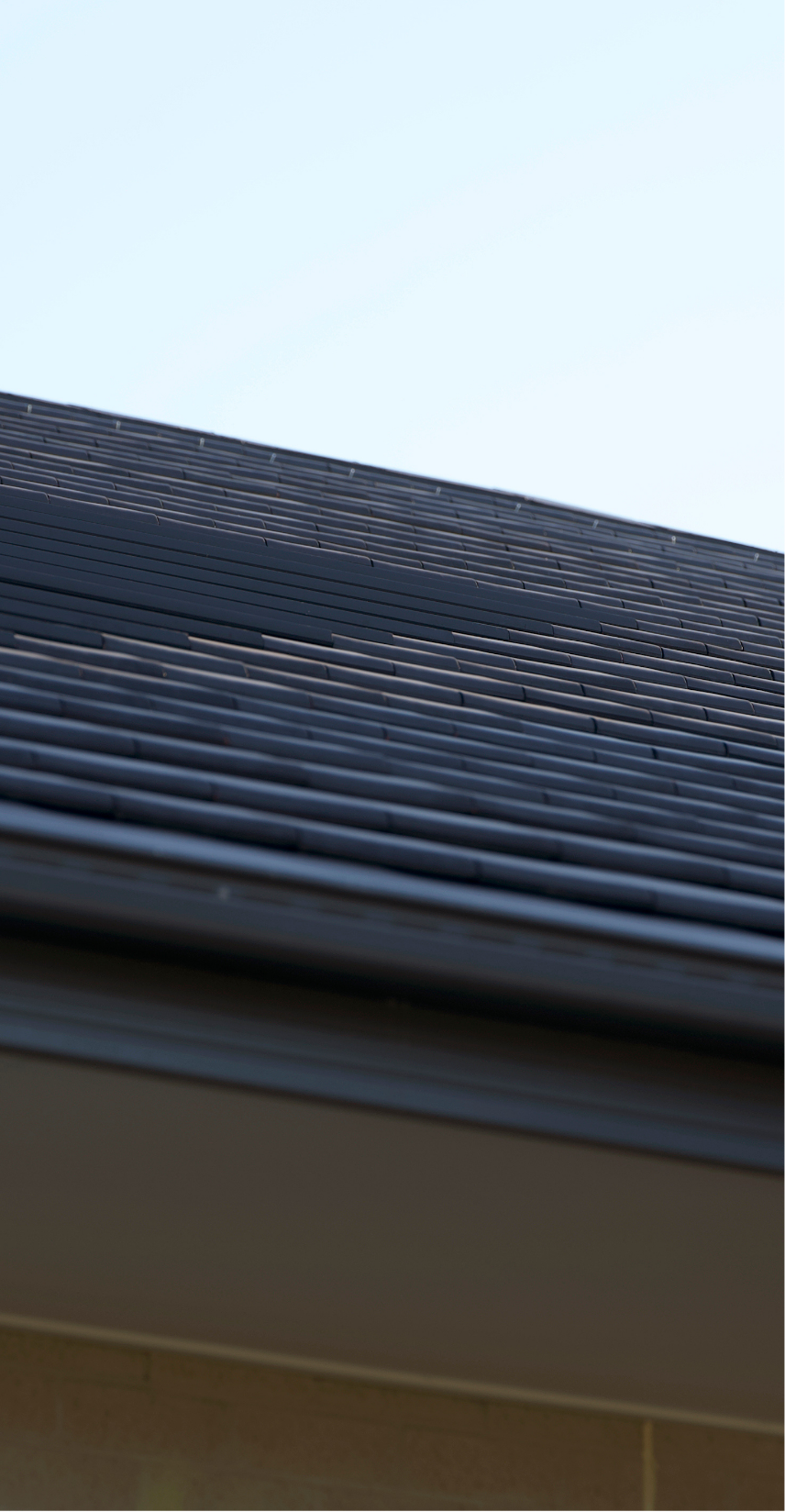
A solar roof should never look like an afterthought. It should be part of the design — built in from the start, not bolted on at the end. That’s what Volt Solar Tiles were created for: to bring energy generation into the architecture itself. By integrating with traditional roofing rather than sitting above it, Volt turns what was once an aesthetic compromise into an architectural advantage.
.png)
Volt’s difference is in the detail. Every component of a Volt Solar Tile is designed not only to generate energy but also to protect and preserve the roof’s architectural integrity. The tile’s frame is crafted from anodised black aluminium — a deliberate decision for both performance and aesthetics. It resists corrosion, maintains its deep matte finish in the Australian sun, and visually allows the solar array to recede into the roofline.
The surface is made from tempered glass, engineered for strength and optical clarity. It absorbs the expansion and contraction that comes with changing temperatures while maintaining a clean, uniform appearance. Beneath the surface, cabling and junctions are fully concealed, keeping the system low-profile and uninterrupted.
This attention to detail transforms what could have been just powerful technology into something architectural. Each tile contributes to a continuous rhythm across the roof, refined, deliberate, built to last. A solar roof should never compete with a building’s design language; it should extend it. Volt’s materials, proportions, and engineering make that possible.
Written By
Natassja Lindrea is the marketing and brand lead at Volt Solar Tiles, working at the intersection of design, construction, and energy. With a background spanning marketing, storytelling, and the built environment, her work focuses on translating complex technical ideas into clear, grounded insights for Australian homes. She writes about building-integrated solar, architectural decision-making, and why context matters when designing for local conditions.
.png)